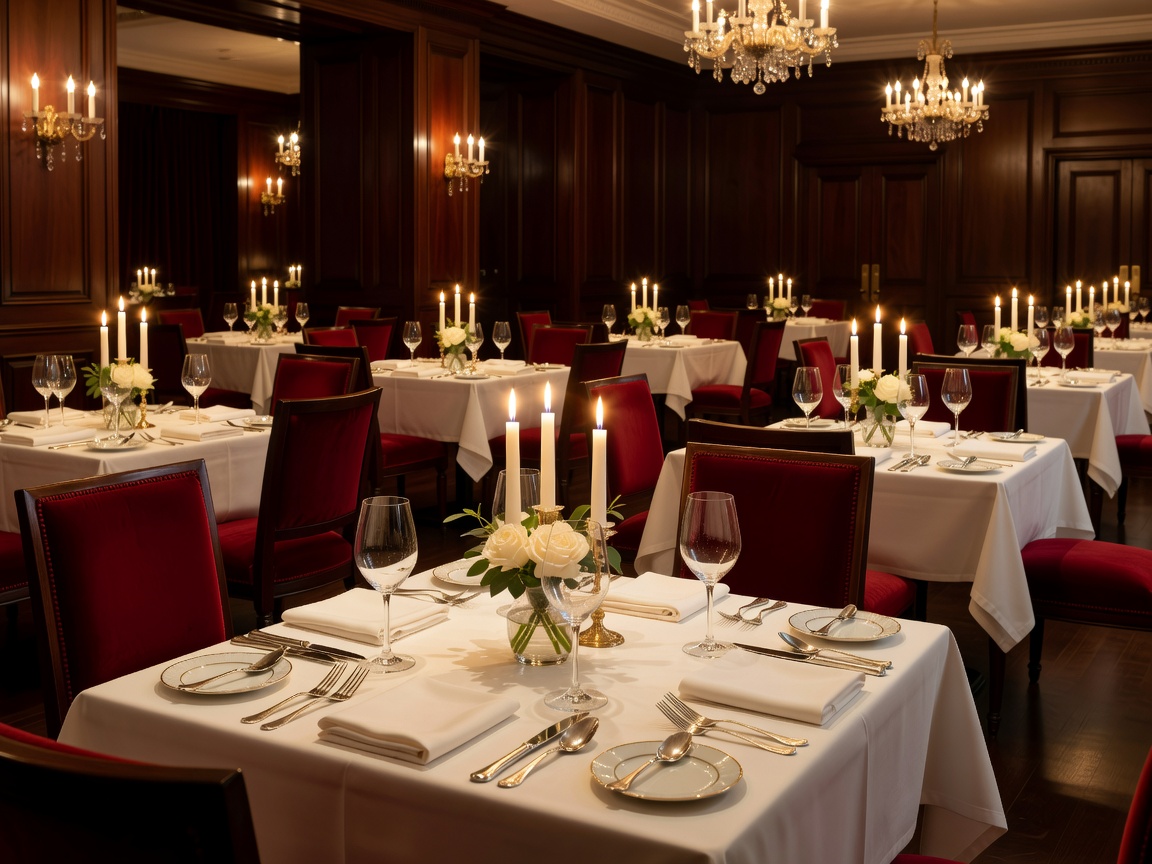
For most of the last century, eating in a Lisbon hotel meant a competent breakfast and a dining room you would not otherwise choose. That has changed comprehensively. The city's hotel kitchens now include a Michelin star, several of the best rooftop terraces in southern Europe and at least one cellar programme that draws people who are not staying the night.
CURA is the most serious kitchen in this collection. It works in long tasting formats, built around Portuguese produce — Atlantic fish landed that morning, Alentejo pork, vegetables from small growers in the Tejo valley — and treats fermentation, curing and ageing as the throughline rather than a garnish.
The room is small, which is part of the experience and also the booking problem. Reserve four to six weeks ahead for a weekend seat, or take a Tuesday or Wednesday, which are noticeably easier and, in our experience, better served. There is a wine pairing that leans heavily and rightly on Portuguese bottles; ask for the non-obvious version if you already know Douro reds.
Elsewhere in the same building, Varanda handles a famously ambitious lunch service, and the Almada Negreiros bar is a genuinely good place for a martini beneath twentieth-century Portuguese art. Read the full hotel profile.
The best meal you eat in Lisbon may well be twelve floors above a park, or three metres below a palace. Both are hotel restaurants now.
No kitchen in Lisbon has a harder act to follow than the view it is served against. The Verride rooftop looks across the whole southern arc of the city — the Tagus, the 25 de Abril bridge, Cristo Rei on the far bank — and the menu sensibly does not try to compete. Expect clean contemporary Portuguese cooking: grilled fish, seasonal vegetables, a short list of well-made classics, plus an excellent all-Portuguese wine selection.
Sunset service is the one to book, and it fills with non-residents. Reserve at least a week ahead in summer, and ask specifically for a terrace table rather than the interior. Breakfast up here on a clear morning is one of the quiet pleasures of the city. Read the full hotel profile.
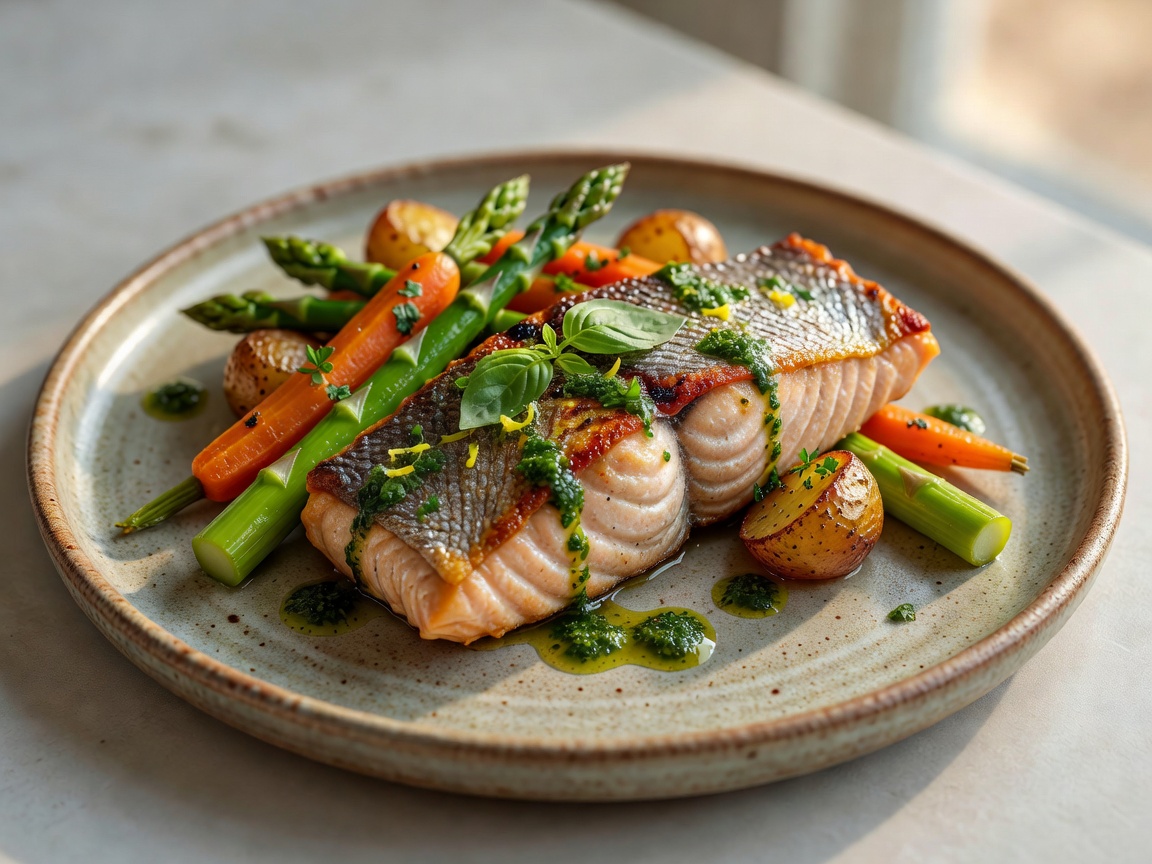
Ludovice inverts the usual relationship: the wine list came first and the kitchen was written to match it. Dinners in the cellar are small-format, paired glass by glass, and organised around regional themes — a Dão evening, a Setúbal Moscatel vertical, an Alentejo reds flight against slow-cooked pork.
Even outside the formal tastings, the by-the-glass programme is the deepest in any Lisbon hotel, including older vintages available in small pours. The garden bar behind the palace is the most underrated outdoor drinking space in Bairro Alto. Read the full hotel profile.
The restaurants here are designed to be used by Lisboetas as well as guests, which is the right ambition for a hotel on Praça Luís de Camões. Contemporary Portuguese cooking with a seafood bias downstairs; an informal all-day space for lunch; and a rooftop that functions as a sunset bar with a short, sharp food menu. The cocktail programme, built around Portuguese spirits, vermouths and aguardentes, is the best in-hotel bar list in the centre. Read the full hotel profile.
Corinthia's strength is consistency at scale. The main restaurant handles Portuguese-inspired cooking with a market-led menu; the grill concept leans on Alentejo beef and whole Atlantic fish over charcoal; and the breakfast is the most substantial of the five — a real asset if you are travelling with family or heading straight into a working day. Read the full hotel profile.
| Question | Practical answer |
|---|---|
| When do Lisboetas eat dinner? | Kitchens fill from 8.30pm; 7.30pm bookings are easy to get and quieter. |
| How far ahead should I book a starred menu? | Four to six weeks for weekends; one to two weeks midweek. |
| Is the couvert compulsory? | No. Bread, olives and cheese brought unasked are chargeable — decline politely if you do not want them. |
| Tipping? | Not obligatory. Rounding up, or 5–10% for very good service, is normal. |
| Dress code? | Smart casual almost everywhere; jackets are appreciated but rarely required. |